Coverage Insights
Expert analysis on drug formularies, insurance coverage changes, and how to navigate prescription benefits
How CMS’s 2025 Medicare Part D redesign affects Wegovy and Zepbound coverage under the new weight loss drug exclusion rules
How CMS’s 2025 Medicare Part D redesign changes the outlook for Wegovy and Zepbound under new weight loss drug rules The Centers for Medicare & Medicaid Services (CMS) finalized major updates to Medi...

Ozempic vs Wegovy: why they are on different formulary tiers
Understanding Formulary Tiers Formulary tiers play a critical role in drug insurance plans. They sort medications based on factors like cost, availability, and how effective they are clinically. Most...
GLP-1 coverage in employer plans: the benefit manager dilemma
GLP-1 Coverage in Employer Plans: The Benefit Manager Dilemma Every benefit manager is familiar with the constant tug-of-war: controlling costs on one side, promoting employee wellness on the other....
Medicaid Managed Care and the 2025 CMS Final Rule: How Carved-Out Specialty Drugs Will Impact State Rebates and Access
Medicaid Managed Care and the 2025 CMS Final Rule: How Carved-Out Specialty Drugs Will Impact State Rebates and Access In April 2024, the Centers for Medicare & Medicaid Services (CMS) finalized...

GLP-1 prior authorization criteria: what employers are requiring
GLP-1 Prior Authorization Criteria: What Employers Are Requiring More and more, employer-sponsored health plans are asking for prior authorization (PA) for GLP-1 receptor agonists. These drugs are ma...

Why Jardiance prior auth requirements differ by plan type
Why Jardiance Prior Authorization Requirements Differ by Plan Type Jardiance, or empagliflozin as it's generically known, is a medication produced by Boehringer Ingelheim. It's often prescribed for m...

What interchangeable biosimilar status means for your coverage
What Interchangeable Biosimilar Status Means for Your Coverage There's been a noticeable increase in the use of biosimilars within the healthcare field lately, especially those labeled as interchange...

Low Income Subsidy eligibility and what it covers in 2026
Low Income Subsidy Eligibility and What It Covers in 2026 The Low Income Subsidy (LIS), often called Extra Help, provides financial support to Medicare beneficiaries who find prescription drug costs burdensom...
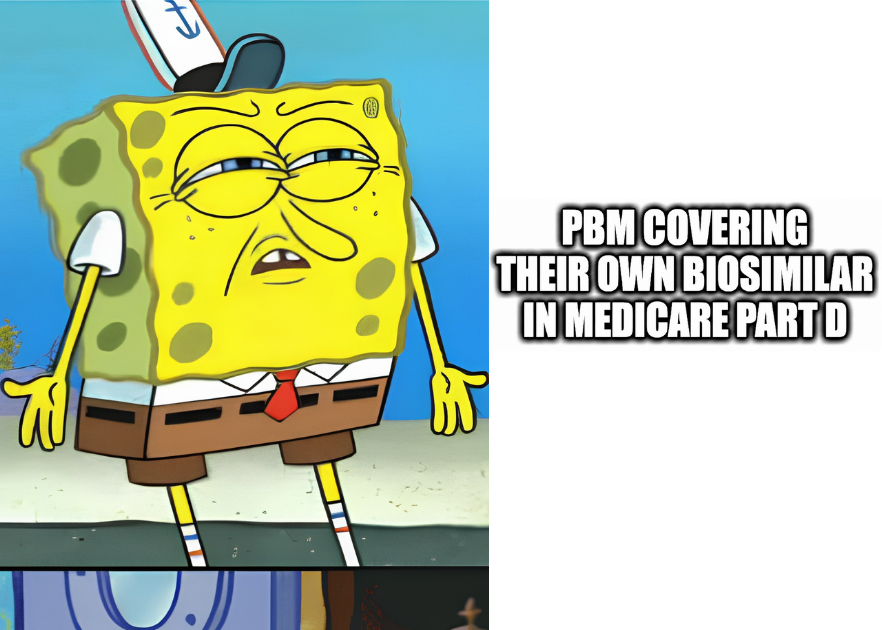
How PBM rebate arrangements influence formulary tier placement, preferred-drug status, and member cost-sharing in employer plans
How PBM rebate arrangements influence formulary tier placement, preferred-drug status, and member cost-sharing in employer plans In employer coverage, a pharmacy benefit manager, or PBM, helps build...
How employer-sponsored plans process non-formulary exception requests when covered alternatives are medically inappropriate
How employer-sponsored plans process non-formulary exception requests when covered alternatives are medically inappropriate Employer-sponsored drug coverage usually begins with a formulary, the plan’...
How Medicare Part D transition fills work when a new enrollee’s existing medication is not on the plan formulary
When a new Medicare Part D enrollee’s medication is not on the plan formulary A new Medicare Part D enrollee can run into trouble at the pharmacy counter. The person arrives for a medication they wer...

How employer-plan SBCs describe prescription drug cost-sharing across deductibles, copayments, coinsurance, and specialty tiers
How employer-plan SBCs describe prescription drug cost-sharing across deductibles, copayments, coinsurance, and specialty tiers A Summary of Benefits and Coverage, or SBC, is designed to show how a h...

How GLP-1 continuation-of-therapy rules affect prior authorization renewals, refill approvals, and coverage after initial approval
How GLP-1 continuation-of-therapy rules affect prior authorization renewals, refill approvals, and coverage after initial approval Initial approval does not end GLP-1 coverage review. For many plans,...

How specialty-drug prior authorization criteria distinguish medical necessity, step-therapy failure, contraindications, and ongoing monitoring documentation
How specialty-drug prior authorization criteria separate medical necessity, step-therapy failure, contraindications, and ongoing monitoring Specialty-drug prior authorization is rarely one question....

How Medicare Part D determines whether GLP-1 drugs qualify for covered diabetes treatment versus excluded weight-loss use
How Medicare Part D decides the use, not just the drug Medicare Part D covers outpatient prescription drugs through private plans approved by Medicare, and those plans use formularies and cost-sharing...
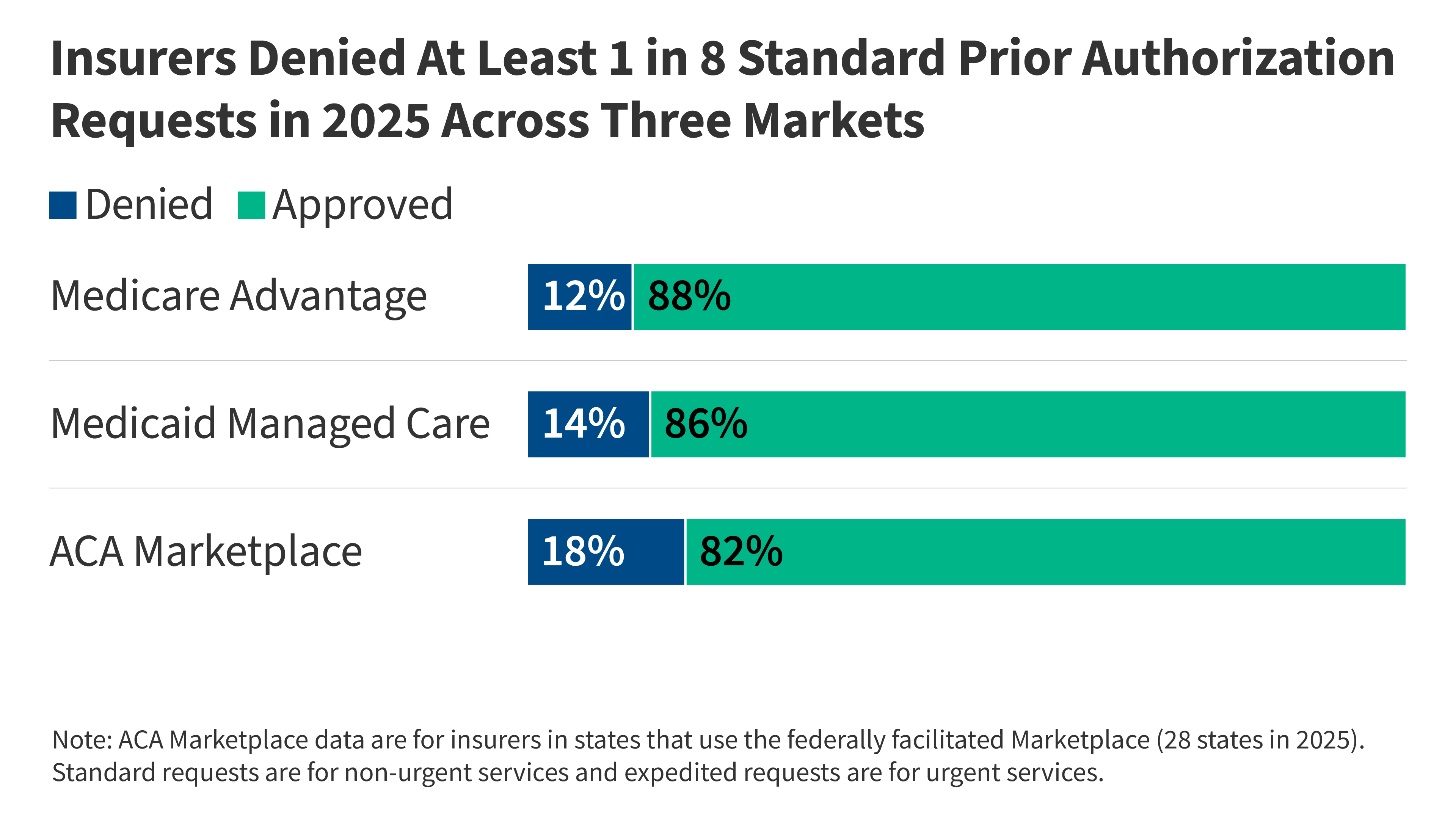
How plans define expedited prior authorization requests, required documentation, and decision timelines for urgent treatment needs
How plans define expedited prior authorization requests, required documentation, and decision timelines for urgent treatment needs Prior authorization can delay treatment. The stakes are higher when...

How Medicare Part D protected-class rules limit formulary tiering, prior authorization, and step therapy for certain drugs
How Medicare Part D protected-class rules limit formulary tiering, prior authorization, and step therapy for certain drugs Private insurers run Medicare Part D plans, but Medicare rules set the bound...
How Medicare Part D formulary tier exceptions work and when plans must review them
How Medicare Part D formulary tier exceptions work and when plans must review them Tier exception vs. coverage determination Medicare Part D plans are private plans approved by Medicare, and their fo...

How employer plans decide GLP-1 prior authorization for obesity versus diabetes coverage
How employer plans decide GLP-1 prior authorization for obesity versus diabetes coverage Employer health plans do not review every GLP-1 request the same way. The biggest divide is usually the diagno...
How biosimilar substitution rules work at the pharmacy and when a plan can require prior authorization
How biosimilar substitution rules work at the pharmacy and when a plan can require prior authorization Biosimilar coverage turns on two different decisions. One is made at the pharmacy counter: subst...
How ACA marketplace plans handle formulary exceptions, prior authorization, and step therapy when a drug isn’t on the formulary
How ACA marketplace plans handle formulary exceptions, prior authorization, and step therapy when a drug isn’t on the formulary ACA marketplace drug coverage usually turns on three related tools: the...

How interchangeability and biosimilar substitution rules affect formulary placement and pharmacy coverage decisions
How interchangeability and biosimilar substitution rules shape formulary placement and pharmacy coverage decisions Interchangeability and biosimilar substitution are connected, but they do not do the...
How Medicaid drug rebate rules influence preferred drug list placement and prior authorization requirements
How Medicaid drug rebate rules influence preferred drug list placement and prior authorization requirements Medicaid drug coverage is shaped by two connected systems: rebates and utilization manageme...

How Medicaid managed care plans use preferred drug lists, carve-outs, and fee-for-service rules to determine specialty pharmacy coverage
How Medicaid managed care plans use preferred drug lists, carve-outs, and fee-for-service rules to determine specialty pharmacy coverage Specialty pharmacy coverage in Medicaid rarely turns on a sing...
How commercial health plans define and apply step therapy requirements for interchangeable biosimilars versus reference biologics
How commercial health plans define and apply step therapy requirements for interchangeable biosimilars versus reference biologics 2024: Growing focus on access procedures Step therapy entered the bio...
How ACA marketplace benchmark plan selection affects prescription drug coverage and formulary network access
How ACA Marketplace Benchmark Plan Selection Affects Prescription Drug Coverage and Formulary Network Access The Affordable Care Act (ACA) Marketplace ties financial assistance to a reference plan kn...

How Medicare Part D plans determine formulary tier placement for interchangeable biosimilars under CMS substitution and rebate rules
How Medicare Part D Plans Determine Formulary Tier Placement for Interchangeable Biosimilars Under CMS Substitution and Rebate Rules Medicare Part D formularies balance clinical review with financial...

How Medicare Part D formulary exception and appeal processes work when a prescribed drug is not covered
How Medicare Part D formulary exception and appeal processes work when a prescribed drug is not covered Medicare Part D plans manage their own formularies, the lists of drugs each plan agrees to cove...

How ACA marketplace formularies assign drugs to preferred, non‑preferred, and specialty tiers and what that means for cost‑sharing
How ACA Marketplace Formularies Assign Drugs to Preferred, Non‑Preferred, and Specialty Tiers, and What That Means for Cost‑Sharing Affordable Care Act marketplace plans organize covered drugs by tie...

How 2026 ACA marketplace plans are tightening prior authorization for obesity‑related GLP‑1s after CMS’s new weight‑management coverage guidance
How 2026 ACA Marketplace Plans Are Tightening Prior Authorization for Obesity‑Related GLP‑1s After CMS’s New Weight‑Management Coverage Guidance Affordable Care Act (ACA) marketplace insurers are res...